Seasonal checks you can do now
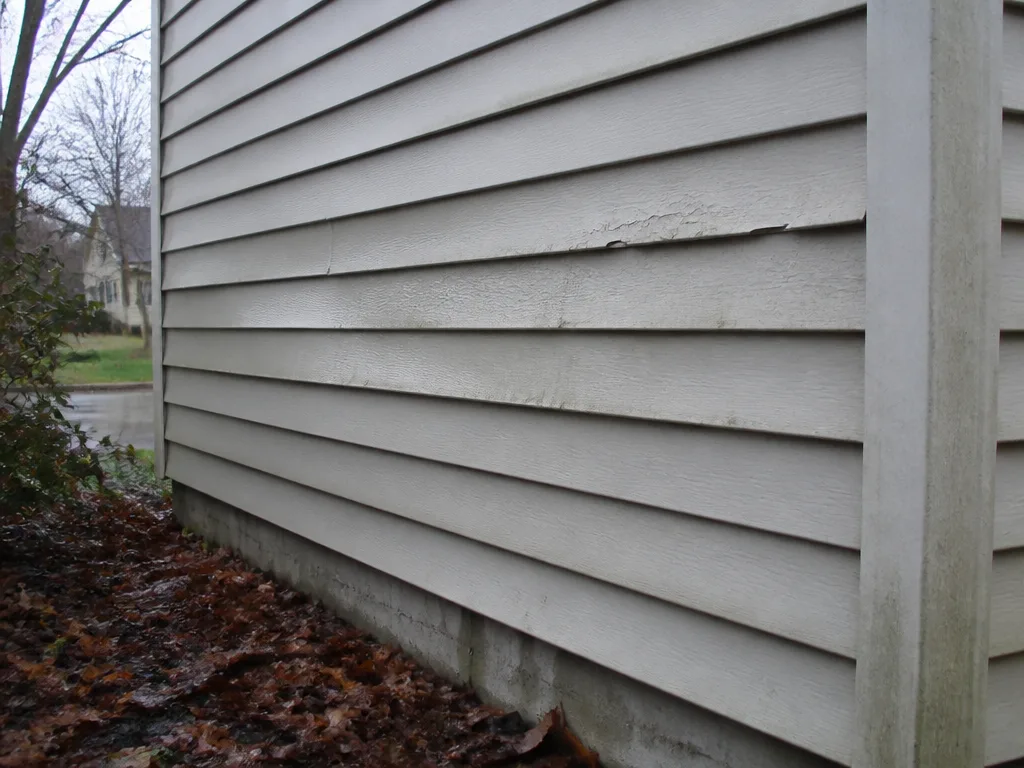
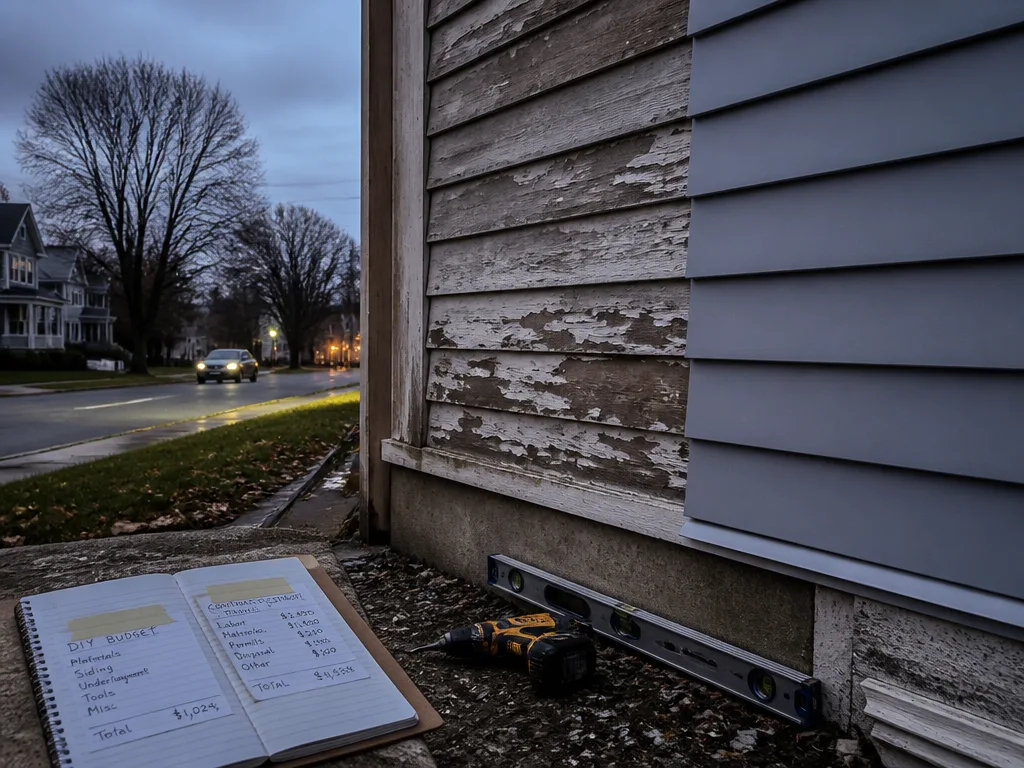
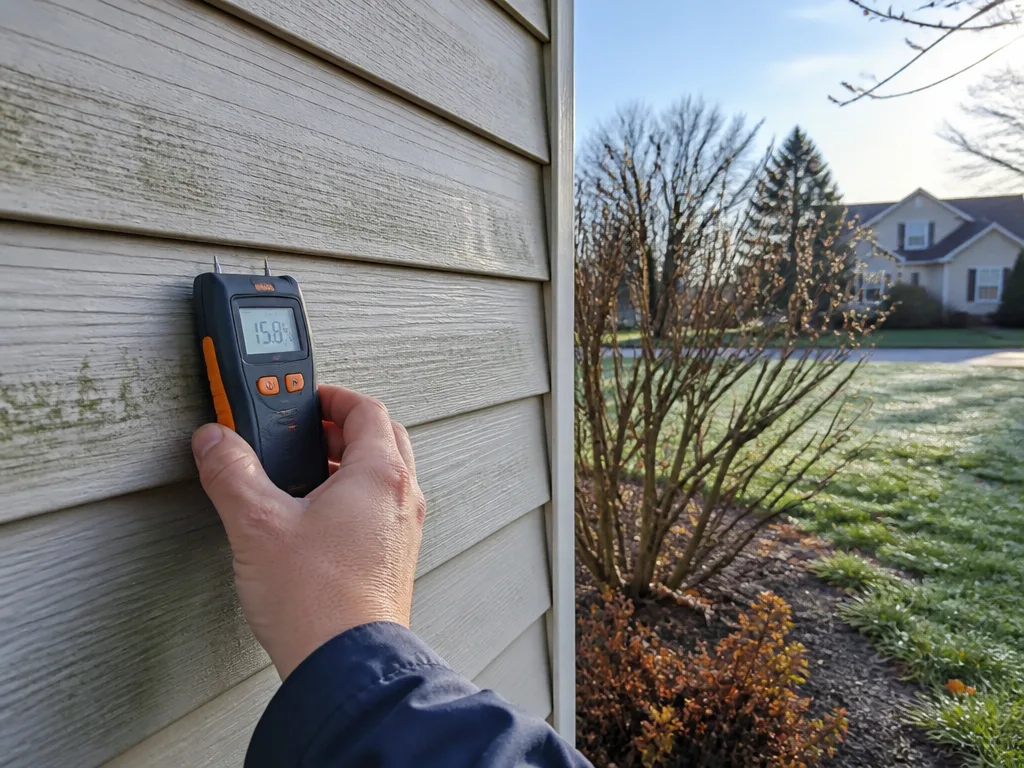
Begin with the seasonal rhythm: spring, summer, fall, and winter. In spring, look for signs left by winter weather, cracks, loose fasteners, or moisture behind the edges. Summer heat can expand vinyl, so pay attention to panels near shade lines or heat-exposed walls. Fall is a good time to reseal and inspect flashing before winter storms. In winter, watch for ice damming near corners and ensure drainage channels are clear so snow doesn’t pool around edges.
Make a simple routine of walking the perimeter after big storms to spot any new gaps or loose siding. If you have trees brushing against the house, trim back branches to reduce physical damage from wind and debris.
Proactive maintenance steps for statewide durability
Clean siding once or twice per year with a gentle spray and a soft brush. Avoid high-pressure washers that can damage edges or sealants. Inspect window and door trims for gaps and reseal as needed to protect against moisture intrusion. If you notice staining or mildew, treat it quickly with a mild cleaner and ensure good air circulation behind the siding by checking vents and drainage paths.
Coordinate a professional inspection with New Jersey Vinyl Siding Installation at least once every few years or after major weather events. A siding specialist can check for hidden moisture, confirm flashing integrity, and advise on any necessary repairs or a long-term plan. The goal is a home that keeps the outside out and the inside comfortable across all seasons in New Jersey.
Weather considerations unique to New Jersey
New Jersey experiences coastal humidity, temperature swings, and winter precipitation. These conditions stress siding panels and seals differently than in drier climates. A statewide service approach helps ensure crews in every New Jersey metro are familiar with local patterns and can respond with timing that fits seasonal windows.